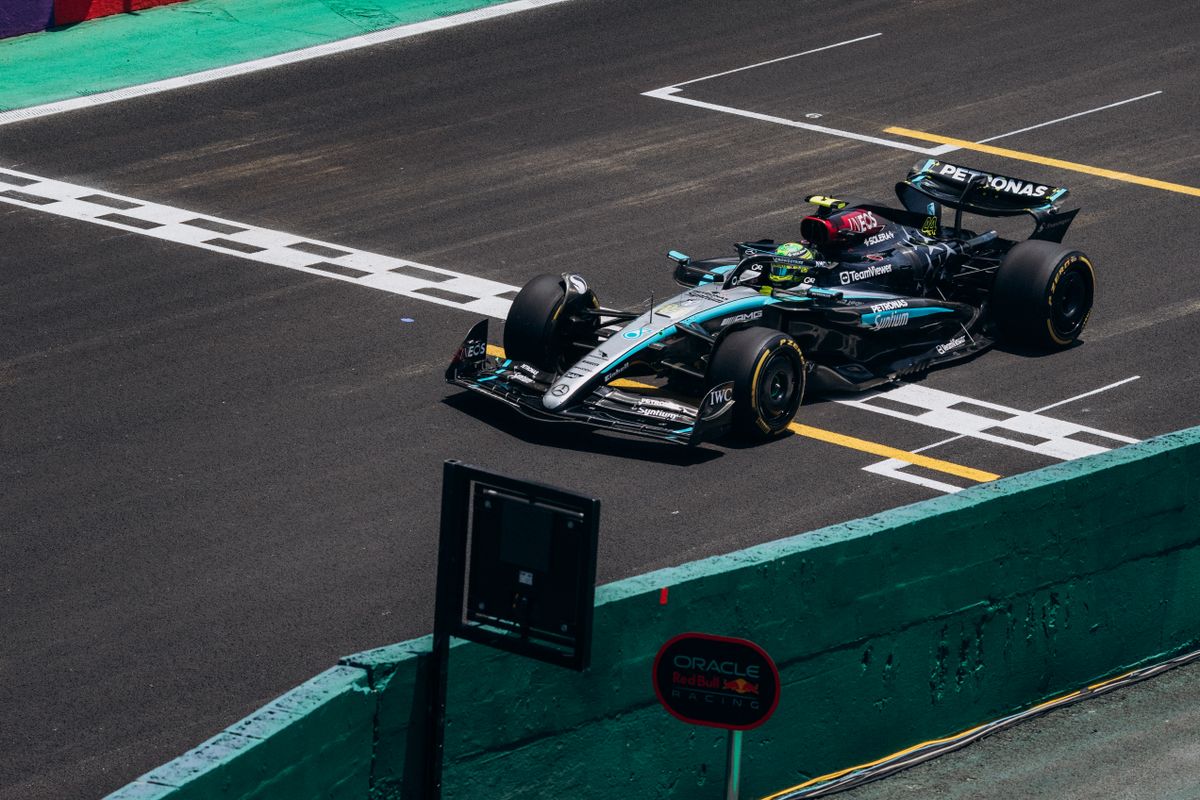
A modern Formula 1 car generates approximately 3 gigabytes of data per lap. With over 300 sensors monitoring everything from brake disc temperature and tyre pressure to suspension load and power unit efficiency, the challenge for teams is not collecting data — it is making sense of it fast enough to improve performance during a three-day race weekend.
Sensors are distributed across every critical system on the car. Tyre sensors monitor temperature and pressure at multiple points inside each tyre simultaneously. Suspension sensors measure the load, travel, and velocity of each corner's suspension in real time. Engine sensors track intake pressure, exhaust temperature, and the efficiency of every combustion cycle.
This data is transmitted wirelessly from the car to the pit wall in real time, where it is processed by the team's data engineers and compared against the predictive models built before the session. Deviations from predicted values trigger investigation: if a tyre is running hotter than expected, is it a setup choice, a driving style issue, or a product anomaly?
Historical data compounds in value over time. A team that has raced at a circuit for 20 years has millions of data points from previous visits — tyre wear curves, weather correlations, safety car probability models — that a new team simply cannot replicate. This data heritage is a genuine competitive advantage.