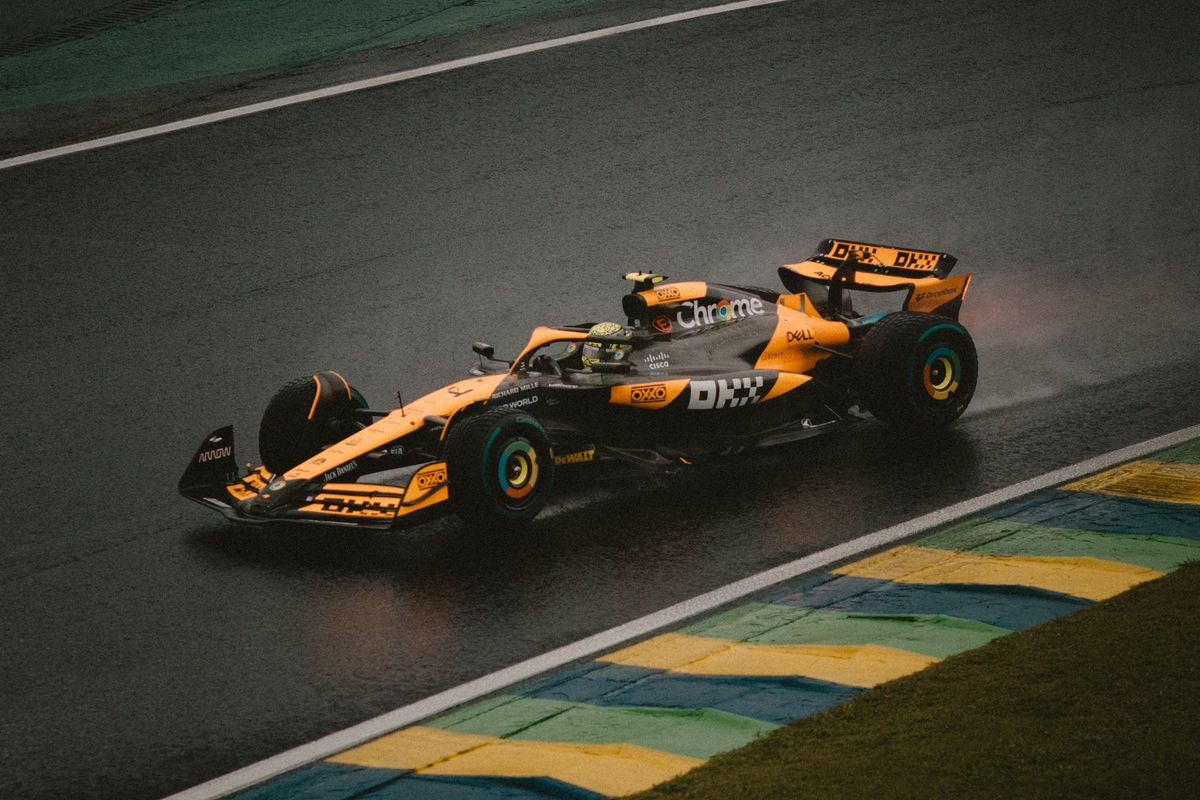
Lando Norris's development from the youngest British driver to score points on his F1 debut into a genuine World Championship contender represents one of the most compelling driver stories in the sport's recent history. The question now is not whether Norris has the pace — that has been demonstrated beyond reasonable doubt — but whether he has the complete package of skills required to win a championship in the specific conditions of a title fight.
Norris's natural talent was evident from his first season in 2019. His speed in single-lap qualifying consistently matched or exceeded teammates and rivals with years more experience. His race craft developed quickly, and his relationship with his engineers — open, technically curious, analytically minded — made him a valuable development driver as well as a racing one.
The championship contention question reveals the areas where development is still ongoing. In the 2024 season, when Norris had the machinery to genuinely challenge Max Verstappen for the title in the second half of the year, the points did not convert at the rate the pace suggested they should. Mistakes in high-pressure moments, occasionally aggressive strategy calls, and the accumulated weight of racing against a four-time champion who had mastered exactly these situations — all contributed to a gap at season's end that the raw performance comparison did not fully explain.
McLaren's task is to build a championship-winning environment around Norris at the same time as Norris builds his championship-winning mentality. These two processes need to synchronise — having the right driver in the right car at the right moment is a necessary condition that is rarer than it looks from the outside.
What makes Norris a compelling figure is his self-awareness about exactly this question. He does not deflect from the challenge; he discusses it directly and with the kind of analytical honesty that suggests the learning is genuine.