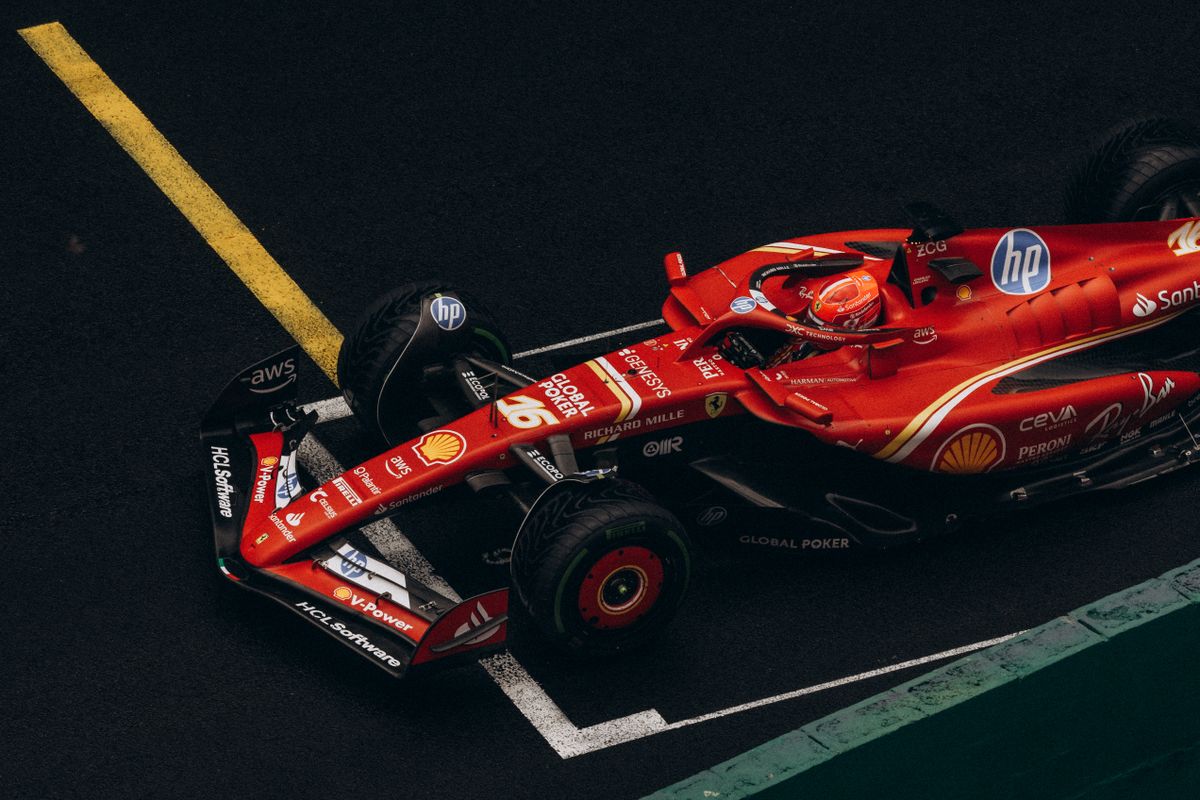
No piece of safety equipment in Formula 1's recent history has saved more lives, and none was introduced to greater aesthetic objection. The halo — a titanium structure above the cockpit that protects the driver's head — was mandated by the FIA for the 2018 season following years of development and bitter controversy.
The halo is made from Grade 5 titanium — the same alloy used in aerospace applications for its exceptional strength-to-weight ratio. The structure weighs approximately 7 kilograms and can withstand a vertical static load of 125 kilonewtons — roughly equivalent to the weight of a London double-decker bus.
In practice, its life-saving capability was demonstrated dramatically within three years of introduction. At the 2020 Bahrain Grand Prix, Romain Grosjean's car split in two at over 200 km/h and burst into flames. The halo diverted the main chassis barrier around the cockpit. Grosjean escaped with burns to his hands.
Driver opinion, initially hostile — Sebastian Vettel famously described it as the "worst aesthetic change" in F1 — shifted entirely after these incidents. At the 2021 British Grand Prix, Max Verstappen's Red Bull was struck on top by Lewis Hamilton's Mercedes at high speed — the halo bore the direct impact on the driver's helmet area.