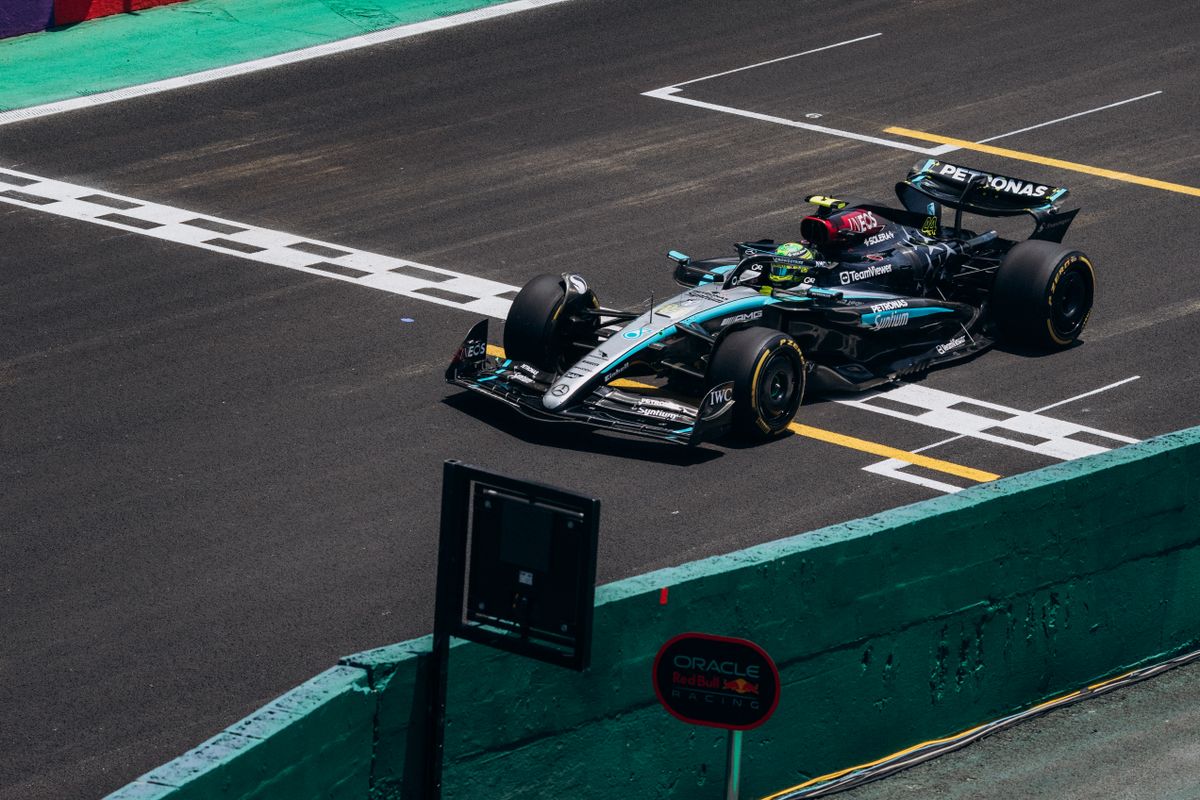
The paddock controversy over McLaren's rear wing behaviour — nicknamed the "Macarena wing" by rivals who observed what they described as unusual flexing patterns under load — became one of the defining technical disputes of the 2024 and 2025 seasons. Understanding what the teams were arguing about, and why the FIA's response mattered, requires a look at how flexi-wing rules work and why they are so difficult to police.
The FIA's technical regulations prohibit aerodynamic components from deflecting beyond defined limits under load. The rules are tested through a series of static deflection tests — fixed loads applied to the wing structure at the technical delegate's request. If the wing passes the test, it is legal.
The challenge is that static tests cannot fully replicate dynamic loads at racing speeds. A wing structure that passes a static test can, in theory, behave differently under aerodynamic loads at 300 km/h — loads that change continuously with speed, turbulence, and yaw angle. Teams have historically designed structures that pass the prescribed tests while behaving more flexibly at speed than the regulations intend.
McLaren's response to the controversy was that their wing passed all FIA tests and was therefore compliant. Their rivals' response was that the tests were insufficient to capture real-world behaviour. The FIA responded by updating their deflection test protocols — a standard pattern in technical disputes where the regulations chase the development.
What made this particular controversy significant was timing. McLaren's performance advantage through 2024 coincided with their wing debate, and rivals arguing that flexing aerodynamic components contributed to that advantage found a receptive audience in the paddock press corps. Whether the wing controversy genuinely affected lap times remains, as with most such disputes, ultimately unproven.